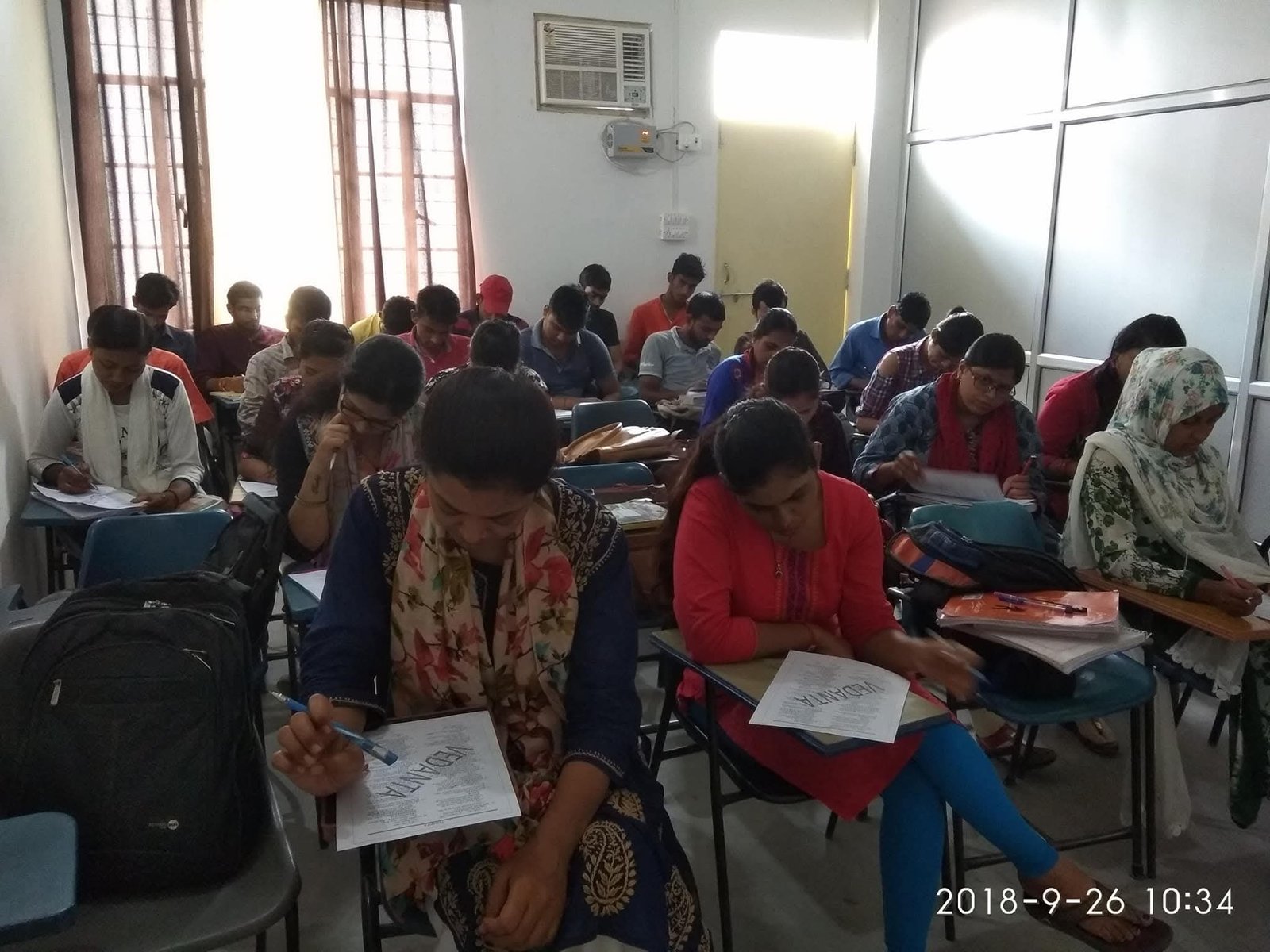
A Complete Beginner’s Roadmap to Crack the UPSC Civil Services Examination
Graduation is one of the best stages to begin your IAS preparation. With the right planning, consistent effort, and expert guidance, you can build a strong foundation for the UPSC Civil Services Examination and move confidently toward your dream of becoming an IAS, IPS, IFS, IRS, or PCS Officer.
If you’re wondering how to start IAS preparation after graduation, this comprehensive guide will help you understand the step-by-step strategy, recommended resources, study plan, and preparation tips for beginners.
Why Start IAS Preparation After Graduation?
Graduation provides an ideal opportunity to dedicate focused time to Civil Services preparation. At this stage, you have completed your academic foundation and can plan your studies without balancing multiple educational commitments.
Starting early allows you to:
- Build strong conceptual knowledge
- Complete the syllabus systematically
- Improve answer-writing skills
- Practice mock tests regularly
- Revise multiple times before the examination
- Prepare confidently for all three stages of UPSC
Step 1: Understand the UPSC Civil Services Examination
Before beginning your preparation, understand the structure of the examination.
The UPSC Civil Services Examination consists of three stages:
Preliminary Examination
- General Studies Paper-I
- CSAT Paper-II
Main Examination
- Essay Paper
- General Studies Papers
- Optional Subject Papers
- Language Papers
Personality Test
The final stage evaluates communication skills, leadership qualities, decision-making ability, and overall personality.
Understanding the examination pattern is the first step toward effective preparation.
Step 2: Know the Complete UPSC Syllabus
Many beginners start studying without reading the syllabus.
Download the official UPSC syllabus and carefully understand every topic.
Major subjects include:
- Indian Polity
- History
- Geography
- Indian Economy
- Environment
- Science & Technology
- Ethics
- Governance
- International Relations
- Internal Security
- Disaster Management
- Current Affairs
The syllabus should guide your preparation throughout the journey.
Step 3: Build a Strong Foundation with NCERT Books
Before studying advanced reference books, complete the NCERT textbooks.
NCERTs help develop conceptual clarity in subjects like:
- History
- Geography
- Economics
- Political Science
- Science
- Sociology
Strong fundamentals make advanced topics easier to understand.
Step 4: Choose Standard Reference Books
After completing NCERTs, study a limited number of trusted books instead of collecting too many resources.
Focus on quality rather than quantity.
Revise the same books multiple times for better retention.
Step 5: Read Current Affairs Daily
Current Affairs play an important role in all stages of the Civil Services Examination.
Develop the habit of reading:
- National News
- International Affairs
- Government Schemes
- Economic Developments
- Environment
- Science & Technology
- Editorial Analysis
Maintain short notes for revision.
Step 6: Make a Realistic Study Plan
Consistency is more important than studying for long hours.
A balanced study plan should include:
- Concept Learning
- Current Affairs
- Revision
- Answer Writing
- Mock Tests
- Newspaper Reading
Daily discipline helps build long-term success.
Step 7: Start Answer Writing Early
Many aspirants postpone answer writing until later.
Instead, begin practicing early.
Answer writing improves:
- Analytical Thinking
- Presentation Skills
- Time Management
- Writing Speed
- Content Structure
It also prepares you for UPSC Mains from the beginning.
Step 8: Practice Mock Tests Regularly
Mock tests help evaluate your preparation.
Benefits include:
- Identifying weak areas
- Improving speed
- Increasing accuracy
- Building confidence
- Managing examination pressure
Regular practice makes a significant difference in actual examinations.
Step 9: Choose the Right Optional Subject
Your optional subject carries significant weight in UPSC Mains.
Choose it based on:
- Personal Interest
- Academic Background
- Availability of Resources
- Guidance
- Previous Understanding
Never choose an optional simply because it is popular.
Step 10: Find the Right Guidance
Self-study is important, but expert guidance can help avoid common mistakes.
A structured learning environment offers:
- Experienced Faculty
- Updated Study Material
- Personalized Mentorship
- Regular Test Series
- Performance Analysis
- Interview Guidance
Proper mentorship keeps your preparation focused and consistent.
Common Mistakes Beginners Should Avoid
Many aspirants lose valuable time due to avoidable mistakes.
Avoid these common errors:
- Ignoring the UPSC syllabus
- Using too many books
- Skipping revision
- Neglecting Current Affairs
- Not practicing answer writing
- Avoiding mock tests
- Comparing your journey with others
- Studying without a timetable
Consistency and discipline are more valuable than studying for long hours without direction.
Best Daily Routine for IAS Preparation
A productive routine may include:
- Morning revision
- Reading Current Affairs
- Studying one major subject
- Practicing answer writing
- Solving MCQs
- Revising previously studied topics
Even 6–8 focused hours every day can produce excellent results when followed consistently.
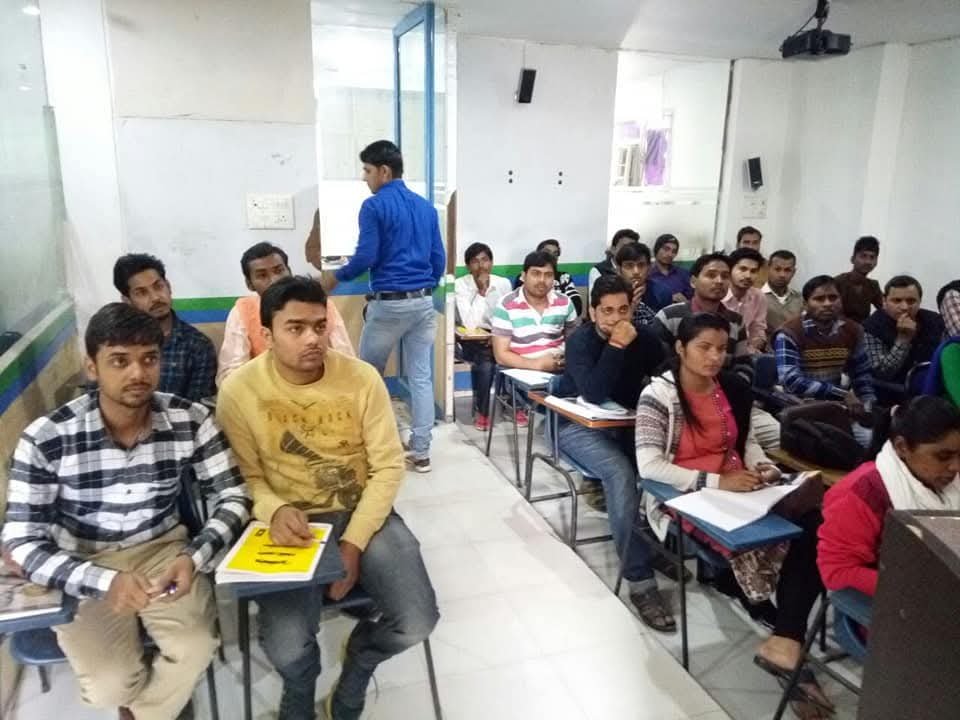
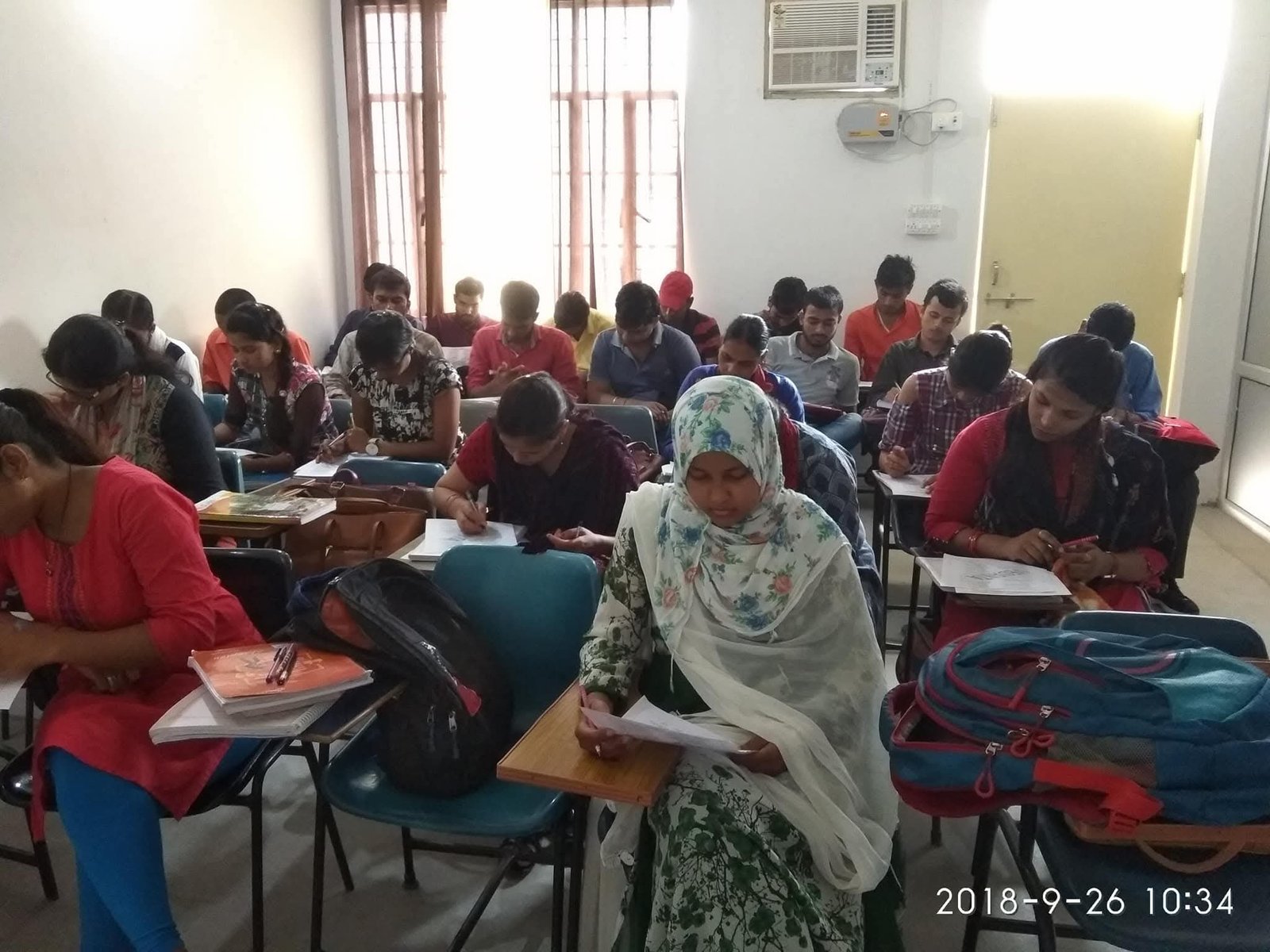
Why Choose Vedanta IAS Gorakhpur?
At Vedanta IAS Gorakhpur, we provide a structured learning environment designed to help aspirants succeed in UPSC, IAS, PCS, and UPPCS examinations.
Our programs include:
- Experienced & Expert Faculty
- Complete UPSC & PCS Preparation
- Daily Current Affairs Classes
- Updated Study Material
- Personalized Mentorship
- Regular Test Series
- Answer Writing Practice
- Interview Guidance
- Performance Analysis
- Student-Centric Learning
We focus on conceptual clarity, strategic preparation, and continuous evaluation to help every aspirant achieve their Civil Services goals.
Final Thoughts
Starting your IAS preparation after graduation is one of the smartest decisions you can make if you aspire to serve the nation through the Civil Services.
Remember that success in UPSC is not achieved overnight. It is built through consistent study, regular revision, disciplined practice, and the right guidance.
Whether your goal is to become an IAS Officer, IPS Officer, IFS Officer, PCS Officer, SDM, DSP, or Deputy Collector, staying committed to your preparation will bring you closer to success every day.
If you’re looking for expert mentorship and structured preparation, Vedanta IAS Gorakhpur is committed to supporting your journey with quality education and personalized guidance.